There’s a question we get asked at every pitch meeting now. Sometimes it’s polite, sometimes it’s pointed, but it always arrives: “Can’t AI just do this?”
It’s a fair question. Generative video tools are improving at a pace that makes even optimists nervous. Type a prompt, wait thirty seconds, and you’ll get something that moves, something that looks — at a glance — like animation. But here’s what a glance misses: the thing that makes stop motion work isn’t efficiency. It’s evidence.
The Texture of Real
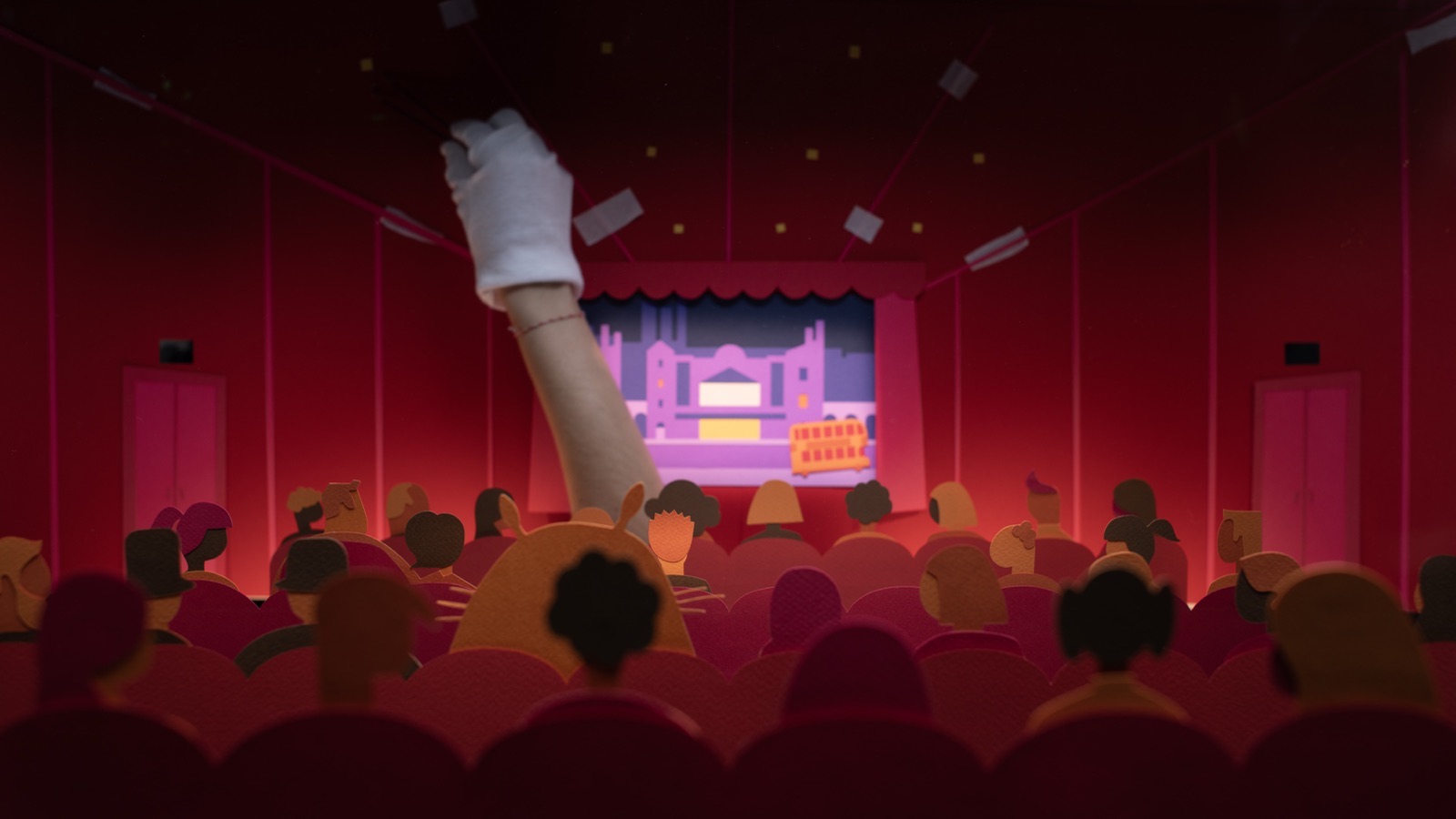
When a viewer watches stop motion, they’re not just processing a narrative. They’re registering, on a level that often bypasses conscious thought, that someone touched this. That a hand moved that figure. That a light was placed just so. That imperfection — the slight wobble, the fingerprint on a clay surface, the micro-jitter between frames — isn’t a flaw. It’s proof of presence.
This matters more than it ever has. In a media landscape increasingly saturated with content that feels algorithmically produced (because it is), the handmade becomes a signal. It says: we cared enough to do this the hard way.
“The imperfections aren’t bugs — they’re the whole point. Every wobble is a signature that says a human was here.”— Picturesmith Studio
Weight, Literally
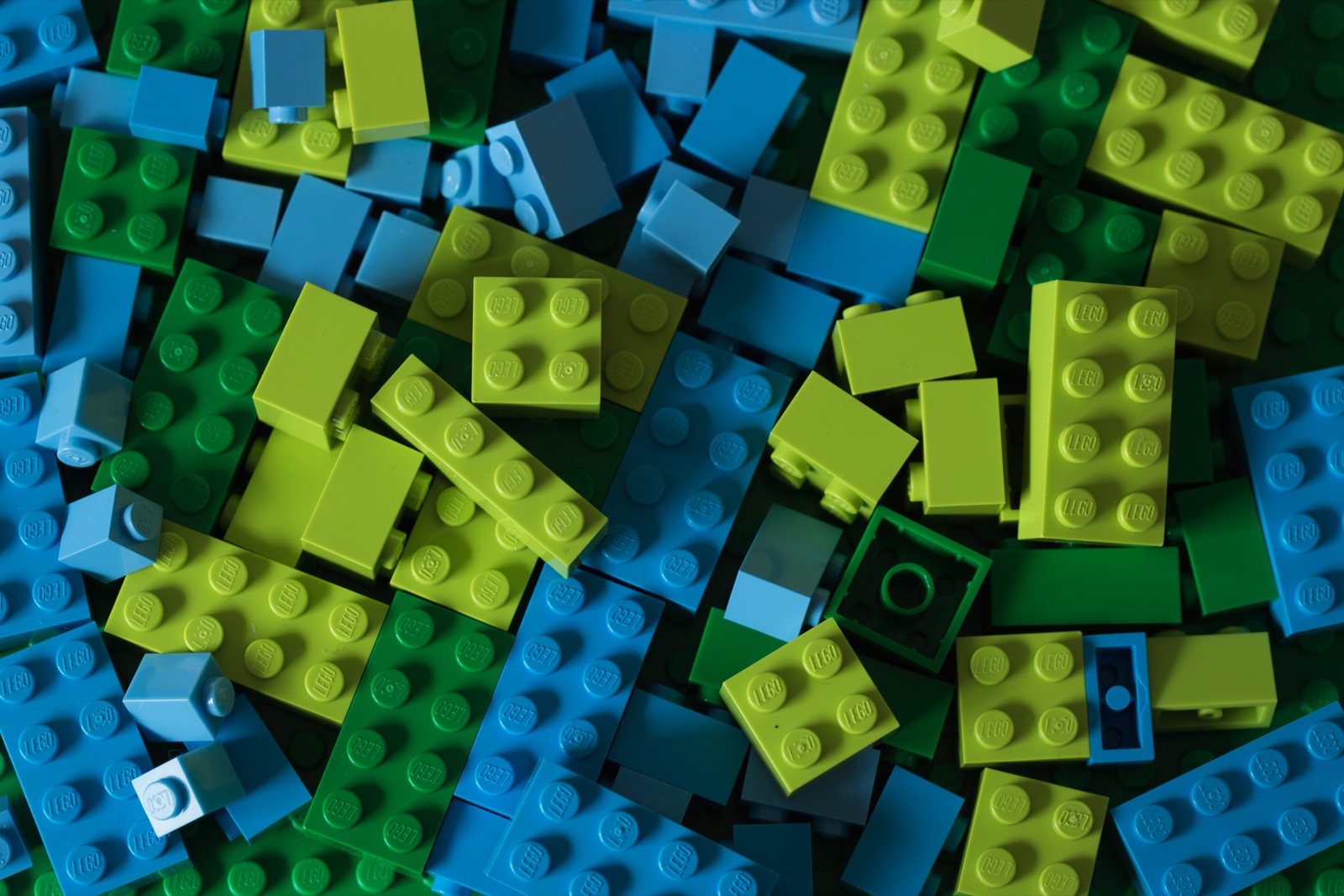
Stop motion objects have mass. They cast real shadows. They interact with light the way physical things do, because they are physical things. No amount of compute can replicate the way a tiny felt coat catches a key light, or the way a LEGO minifig’s plastic reflects the studio spots at slightly different angles in every frame.
This physical reality creates a visual richness that audiences feel even when they can’t articulate why. Focus groups don’t say “the subsurface scattering on that puppet’s skin was phenomenal.” They say “it felt warm” or “I couldn’t stop watching.”
The Collaboration Advantage
Here’s something the AI discourse tends to skip: making stop motion is a profoundly collaborative process. Designers, model makers, animators, lighting technicians, camera operators — they’re all in a room together, solving problems in real time. The creative friction that happens on a stop motion set produces ideas that no prompt could generate, because they emerge from the specific constraints of physical reality.
When a set piece doesn’t behave as expected, the team adapts. When an animator discovers an accidental gesture that’s more expressive than the planned one, they keep it. These moments of serendipity — born from humans interacting with materials — are where the best work lives.
What Brands Actually Need
Brands don’t need more content. They have more content than anyone can consume. What they need is content that stops the scroll — that makes someone pause, lean in, and feel something. Stop motion does this because it operates on a different frequency than the rest of the feed. It looks different because it is different.
The brands we work with — LEGO, Disney, Diageo, eBay — aren’t choosing stop motion despite its difficulty. They’re choosing it because of it. The difficulty is the differentiator. The craft is the message.
“The brands choosing stop motion aren’t doing it despite the difficulty. They’re doing it because the difficulty is the differentiator.”— Picturesmith Studio
AI as Tool, Not Replacement
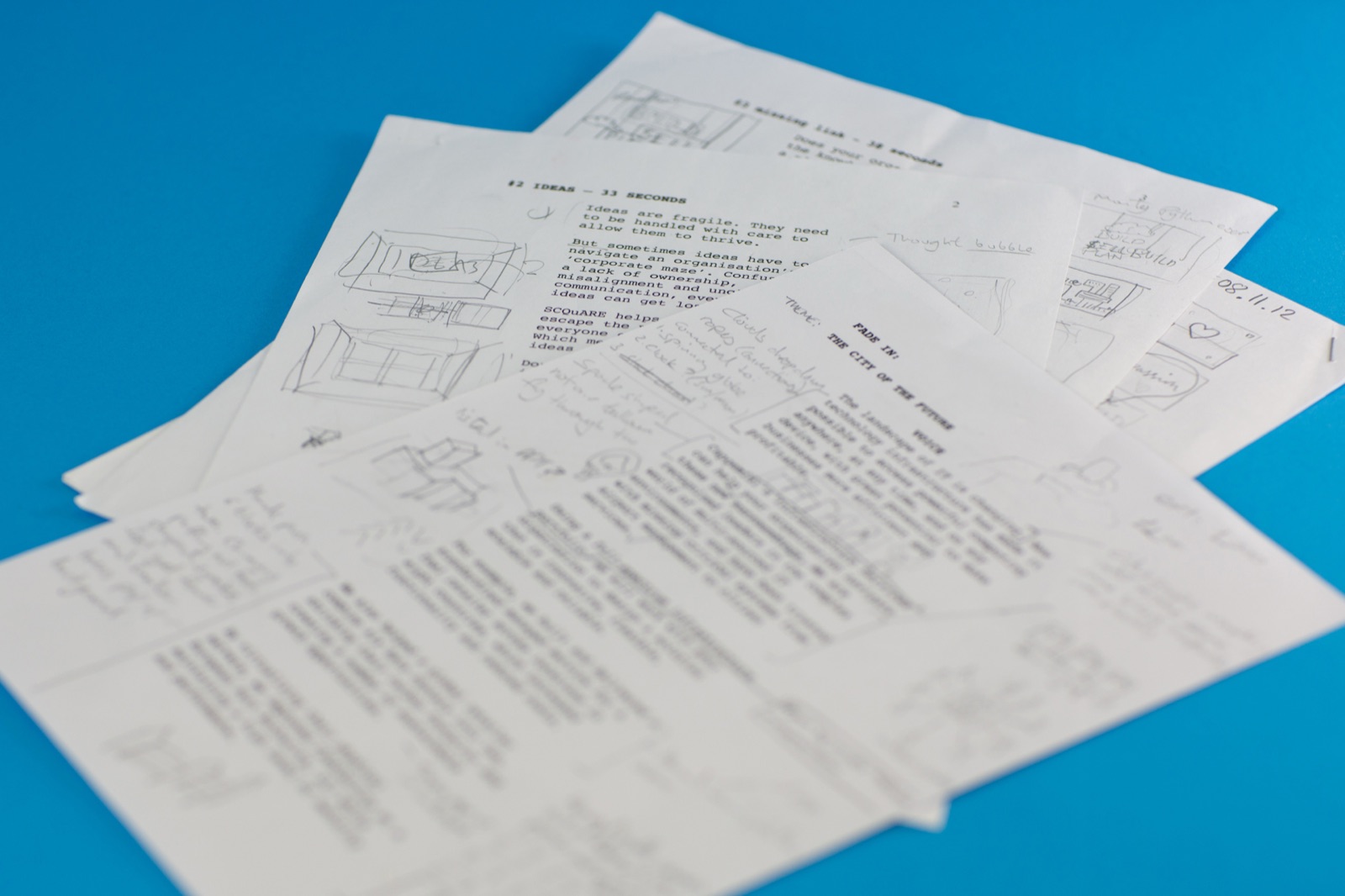
None of this means we ignore AI. We use generative tools for pre-visualisation, for rapid concept iteration, for exploring colour palettes and camera angles before a single set piece is built. AI is genuinely useful as a thinking tool — a way to accelerate the decisions that happen before production.
But the production itself? That stays physical. That stays human. Because the whole point is that it’s real, and “real” is the one thing AI cannot be.
The next time someone asks whether AI can replace stop motion, the answer is simple: it can replace the output, but not the effect. And in advertising, in storytelling, in any context where you need an audience to feel something — the effect is everything.